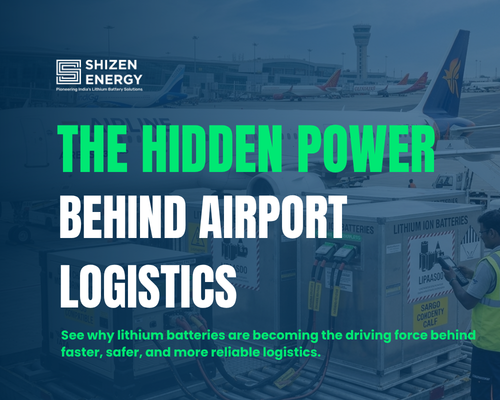
Tow Truck Lithium Battery: The Unsung Hero of Airport and Factory Logistics
Every minute a tow truck is down, airport operations can ripple into delays and factory movement can slow to a crawl. What if one upgrade could cut that downtime, improve runtime, and lower long-term operating costs? A tow truck lithium battery is quietly becoming that upgrade in high-demand logistics environments.
Why Tow Trucks Are Critical in Airport and Factory Logistics?
Tow trucks are the backbone of material movement in places where timing matters more than almost anything else. In airports, they move baggage carts, cargo dollies, and support equipment across tight schedules. In factories, they keep assembly lines supplied, shift materials between zones, and reduce bottlenecks in internal logistics.
For airport operations managers and plant heads, a tow truck is not just a vehicle. It is part of the productivity chain. When it stops, the workflow stops with it. That is why the battery behind it matters so much, especially when the fleet is expected to run through long shifts with minimal interruption.
Role in airport ground support equipment
Airport ground support equipment depends on reliable power. A tow truck lithium battery helps towing vehicles stay ready for baggage handling, ramp movement, aircraft turnaround support, and cargo movement without frequent charging interruptions. In a place where every minute counts, consistent battery performance can directly support on-time operations.
Importance in factory material movement
In manufacturing plants, tow trucks are used to move components, finished goods, and tools between workstations and storage areas. A dependable industrial tow truck battery helps keep those movements flowing across multiple shifts. This is especially valuable where production lines run continuously and unexpected stops create costly delays.
Common Challenges with Traditional Tow Truck Batteries
Traditional lead-acid batteries have long been used in tow trucks, but they create operational friction in busy logistics environments. The biggest issue is not just battery life. It is the repeated interruption of work.
Downtime due to slow charging
Lead-acid batteries usually require longer charging windows, which can be a major problem in airports and factories where vehicles are needed throughout the day. If the truck is charging, it is not working. That means one vehicle out of service can affect an entire operation.
High maintenance requirements
Lead-acid systems need regular watering, inspections, equalization, and careful charging practices. This maintenance burden becomes even more difficult when fleets are large. For managers looking to reduce downtime logistics vehicles create, battery upkeep often becomes a hidden cost.
Performance drops under continuous use
In high-demand settings, lead-acid batteries can lose performance as charge levels drop. That means reduced towing power, shorter runtime, and inconsistent output during peak hours. For an airport ground support battery or factory towing vehicle, that inconsistency can create avoidable operational risk.
Lithium Batteries vs Lead-Acid in Tow Trucks
The shift from lead-acid to lithium is not just about newer technology. It is about better operational economics and more reliable field performance.
Charging speed comparison
Lithium batteries charge much faster than lead-acid batteries. That enables opportunity charging during short breaks instead of waiting for a full charging cycle. For tow trucks that need to stay active across multiple shifts, this is one of the most practical advantages.
Lifecycle and durability
A well-designed lithium battery for tow tractor applications usually delivers a longer service life than lead-acid batteries. It also handles repeated charging more efficiently. Over time, this means fewer replacements and more stable performance.
Total cost of ownership
The upfront price of lithium can be higher, but the lifecycle economics often favor lithium. Lower maintenance, longer lifespan, better energy efficiency, and fewer replacements all contribute to a stronger lithium battery ROI logistics teams care about.
| Factor | Lithium Battery | Lead-Acid Battery |
|---|---|---|
| Charging Time | Fast charging, supports opportunity charging | Slow charging, often requires long downtime |
| Maintenance | Low maintenance | High maintenance, watering and inspections needed |
| Runtime | More consistent across shifts | Performance drops under continuous use |
| Lifespan | Longer service life | Shorter life, frequent replacement |
| Efficiency | Higher energy efficiency | Lower efficiency, more losses |
| Operational Impact | Better for 24/7 logistics | Better suited to lower-intensity use |
| Total Cost of Ownership | Lower over time | Higher due to maintenance and replacement |
For decision-makers comparing lithium vs lead acid tow truck options, the choice often comes down to uptime. In airport and factory environments, uptime is money.
How Tow Truck Lithium Batteries Improve Operational Efficiency
A tow truck lithium battery is valuable because it supports how real logistics teams actually work, not just how equipment is supposed to work on paper.
Opportunity charging for continuous use
Lithium batteries allow short charging periods between tasks. That makes them ideal for fleets that cannot afford long charging breaks. A tow truck can recharge during shift changes, meal breaks, or standby periods and get back to work quickly.
Consistent power output
Lithium batteries deliver stable performance across the discharge cycle. That means the vehicle does not feel weaker as the battery level drops. For towing heavy baggage loads or factory materials, that consistency matters a lot.
Reduced downtime in 24/7 environments
Airports and factories often run on tight schedules with multiple shifts. A factory logistics battery solution based on lithium helps reduce unplanned stoppages caused by battery failure, charging delays, or inconsistent runtime. That directly improves dispatch reliability and asset utilization.
Real-World Applications in Airports and Factories
The best way to understand the value of a tow truck lithium battery is to look at how it performs in real operations.
Baggage towing at airports
Airport tow trucks often work in crowded, time-sensitive environments. They must keep moving luggage carts and support equipment across terminals, ramps, and cargo zones. An airport ground support battery that charges quickly and performs consistently can help prevent turnaround delays and improve vehicle readiness.
Assembly line logistics in factories
In factories, tow trucks support material flow between production stages. If a battery weakens during peak activity, it can interrupt the line and create downstream delays. A lithium-powered tow truck supports smoother internal logistics and better production continuity.
Cold storage or heavy-duty environments
Some operations take place in demanding conditions such as cold storage, outdoor yards, or high-heat industrial spaces. Lithium batteries generally handle these environments better than traditional systems when properly specified. That makes them suitable for tough applications where stability is essential.
Cost Savings and ROI Over Time
A battery upgrade should not be measured only by purchase price. Fleet managers should look at the full economic picture.
Lower maintenance costs
Lead-acid batteries demand regular labor and attention. Lithium batteries reduce those maintenance tasks, which can lower operating expenses and free up staff time for higher-value work.
Energy efficiency
Lithium systems typically waste less energy during charging and discharge. That means lower electricity use over time and better overall efficiency for fleets that run many hours each week.
Longer lifespan
Fewer replacements mean fewer purchase cycles, fewer service interruptions, and less disposal overhead. For organizations managing several tow trucks, this is where the financial case becomes strong.
For many fleet owners, the strongest argument for a tow truck lithium battery is not just performance. It is the compounding savings from fewer breakdowns, lower maintenance, and longer useful life.
Implementation Tips for Fleet Managers
Switching to lithium works best when the battery is matched properly to the vehicle and the operation.
Choosing the right lithium battery
Select a battery based on duty cycle, tow load, shift pattern, and operating temperature. A battery that works for light-duty towing may not be ideal for heavy baggage or industrial use. The right electric tow tractor battery benefits come when the battery is sized correctly.
Infrastructure considerations
Charging infrastructure should support the new operating style. Fast charging points, safe wiring, ventilation, and charging schedules all matter. If the fleet uses opportunity charging, the charging plan should fit shift flow, not disrupt it.
Safety and compliance
Safety should remain a top priority. Battery management systems, thermal protection, and certified installation help reduce overheating and failure risk. In busy airports and factories, safe battery design is not optional. It is operational protection.
FAQs
Yes. They are well suited for continuous and multi-shift use because they recharge faster and maintain performance more consistently than lead-acid systems.