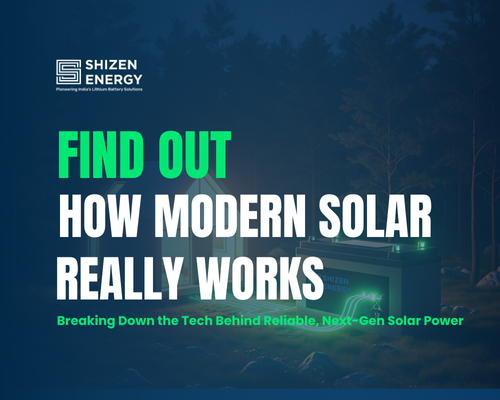
Clean energy adoption is rapidly increasing around the globe, and solar power is a key driver of this transition. However, the true potential of solar can only be unlocked by leveraging the power of advanced energy storage technology.Lithium Solar Inverter Battery technology is changing the game for storing and using solar energy, offering an unparalleled combination of efficiency, reliability, and flexibility. In this blog, we will break down exactly how lithium-ion batteries work with modern solar inverter systems. We will also debunk common myths and give you the technical and practical knowledge you need to make empowered decisions for your energy future.
Introduction
Solar panels are great at generating electricity when the sun is shining. But without a way to store that energy, it all goes to waste. And when the sun sets or your local grid goes down, you’re still stuck buying electricity from your provider. This is where energy storage technology, especially lithium-ion batteries, come into play. Energy storage solutions allow you to store excess solar energy and use it when you need it most, maximizing self-consumption, providing backup power during outages, and even supporting true grid independence.
Advancements in lithium-ion solar battery technology have rapidly established this tech as the new preferred option for solar energy storage solutions, offering high energy density, long lifecycle, fast charging, and low maintenance. At Shizen Energy India Private Limited, founded in 2019, we’ve focused on building, testing, and deploying high-performance, reliable, and cutting-edge lithium battery packs and solutions for solar and a range of other applications.
Overview: Lithium Batteries for Solar Systems
Lithium-ion batteries are designed to integrate and work with all types of solar inverter systems, for residential, commercial, industrial, and off-grid solar applications. With their small footprint, scalability, and advanced cell chemistries, they are the ideal choice for both off-grid solar battery systems and grid-tied solar + battery systems.
Key features of lithium batteries for solar include:
- High energy density: Higher energy storage per kg
- Fast charging: Quicker charging of incoming solar energy
- Long cycle life: 2,000–5,000+ charge cycles (8–15 years)
- Maintenance-free: No topping-up or other servicing required
- Smart features: Built-in BMS (battery management system) for safety, performance, and monitoring
Detailed Breakdown: Working with Solar Inverters
AC-Coupled Integration vs DC-Coupled Integration
AC-Coupled Systems:
Solar panels are connected to a solar inverter, which converts DC to AC power for household use. The battery system is connected to the inverter via a separate battery inverter, which manages charging and discharging. This is a flexible solution and is common for retrofitting existing solar installations with battery backup.
DC-Coupled Systems:
Solar panels feed DC power directly to the battery, which is then converted to AC. This is a more efficient architecture, as it eliminates one conversion step and simplifies the system. It is especially common in new installations.
Smart Inverter Communication & Monitoring
Modern hybrid solar inverter batteries are equipped with intelligent communication interfaces. The inverter and battery will communicate over CAN bus or RS485, enabling smart capabilities such as:
- Real-time monitoring of battery parameters, charge/discharge rates, and energy flows in both directions.
- Automated switching between grid, solar, and battery power, for maximum efficiency and load balancing.
- Remote diagnostics, firmware updates, and other features for improved reliability and user experience.
Key Benefits of Integrating Lithium Batteries With Solar Inverters
Energy Efficiency & Peak Shaving
Lithium-ion solar batteries can be used for peak shaving, by storing excess solar energy generated during the day and using that power at peak demand times or after the sun goes down. This can dramatically reduce grid reliance and lower electricity bills.
Backup Power During Outages
Backup solar power systems with lithium batteries provide critical backup power and energy resilience during grid outages.
Grid Independence & Cost Savings
Backup solar power systems with lithium batteries can provide near-complete grid independence in the right conditions (think India, Australia, USA with high solar irradiance). Over time, this leads to significant cost savings and a high return on investment (ROI) from reduced energy bills and low maintenance.
Installation & Compatibility Factors
Hybrid Solar vs Off-Grid Solar Systems
- Hybrid Solar Systems: A solar system that combines grid, solar, and battery power. Ideal for users who desire backup and grid support, but not complete grid independence.
- Off-Grid Solar Systems: A solar system that relies 100% on solar and battery power, with no grid connection. Ideal for remote locations or those seeking full grid independence.
Battery Capacity & Inverter Sizing
Choosing the right battery capacity and inverter size is critical. Factors to consider when sizing your system:
- Daily energy consumption
- Peak load requirements
- Solar panel output
- Backup duration needs
Shizen Energy can provide customizable solutions to help ensure batteries are correctly matched to your inverter and energy needs.
Safety & Warranty Considerations
Quality lithium-ion batteries are equipped with advanced safety features such as thermal management systems, overcharge/discharge protection, and robust battery enclosures. Shizen Energy’s products are ISO 9001: 2015 certified, BIS, CE, and UN38.3 compliant and come with strong warranty offers. As with any electrical device, safe installation is essential for ensuring system reliability and performance.
Cost-Benefit Analysis: Is Integration Worthwhile?
Short-Term ROI vs Long-Term ROI
Lithium-ion batteries have a higher upfront cost than lead-acid or other alternative chemistries. However, their longer lifecycle, higher efficiency, and lower maintenance costs result in superior long-term value.
- Lead-acid batteries: Lower upfront cost, but frequent replacement needed and lower efficiency.
- Lithium-ion batteries: Higher upfront cost, but up to 5x longer lifespan and low maintenance
Maintenance Savings
Lithium batteries are maintenance-free, with no costs associated with regular servicing, water replenishment, or performance degradation.
Conclusion and Next Steps
Integrating a Lithium Solar Inverter Battery into your solar energy system is the best way to maximize your solar investment. Whether you are a homeowner, small business owner, or solar energy consultant, the benefits of higher efficiency, increased reliability, and greater sustainability are clear.
If you’re ready to take your solar system to the next level, contact Shizen Energy India Private Limited to learn more about our products and get a free consultation, demo, or quote for custom lithium-ion solar battery solutions. Our experts will guide you through the process and ensure that you select the best products for your needs, with the proper integration, safety, and performance.
Stay connected with us on social media for the latest blog updates, tips, and insights.
Frequently Asked Questions
Power your energy future with reliable, high-performance lithium solar inverter battery solutions from Shizen Energy.