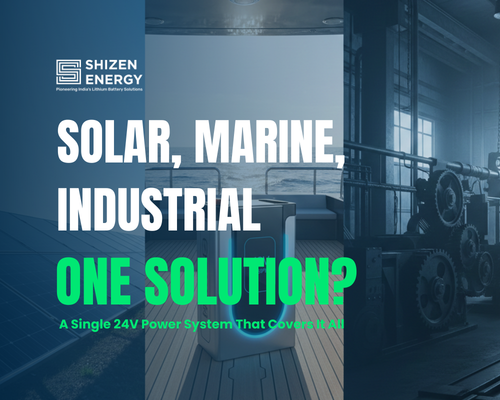
Introduction
High-power energy systems demand reliable, efficient, and long-lasting battery solutions. Whether you’re designing an off-grid solar installation, powering a marine vessel, or running industrial equipment, choosing the right battery technology can make the difference between system failure and decades of dependable performance.
The best 24V LiFePO4 battery combines superior energy density, extended lifespan, and advanced safety features that traditional lead-acid batteries simply cannot match. Unlike older battery technologies, 24V lithium iron phosphate (LiFePO4) systems deliver consistent power output, faster charging times, and minimal maintenance requirements making them the preferred choice for professionals and system designers worldwide.
This comprehensive guide addresses the critical pain points that plague battery selection: confusion between voltage systems, weak battery management systems (BMS), poor performance in harsh environments, charging incompatibility issues, and overpaying for unnecessary features. We’ll walk you through exactly what to look for when selecting a 24V LiFePO4 battery for your specific application, whether that’s solar energy storage, marine propulsion, or industrial automation.
What Is a 24V LiFePO4 Battery?
A 24V LiFePO4 battery is a lithium iron phosphate energy storage system designed to operate at 24 volts nominal voltage. It consists of interconnected lithium cells with an integrated Battery Management System (BMS) that monitors voltage, current, temperature, and cell balance in real-time.
Why 24V is more efficient than 12V systems: A 24V configuration reduces current flow by 50% compared to equivalent 12V systems, which means lower resistive losses in wiring and connectors. This translates to 3–5% better overall system efficiency, reduced heat generation, and the ability to use thinner gauge wiring, saving on installation costs and improving safety. For high-power applications like solar arrays, marine systems, and industrial equipment, 24V is the industry standard because it minimizes energy waste while maximizing performance.
Why Choose a 24V LiFePO4 Battery Over Lead-Acid?
| Feature | 24V LiFePO4 | Lead-Acid |
|---|---|---|
| Weight | 60–70% lighter | Heavy, requires reinforced mounting |
| Lifespan | 8,000–15,000 cycles (20–30 years) | 500–1,000 cycles (3–5 years) |
| Efficiency | 95%+ round-trip efficiency | 80–85% efficiency |
| Maintenance | Zero maintenance required | Regular water top-ups, terminal cleaning |
| Charging Time | 2–4 hours to full capacity | 8–12 hours minimum |
| Temperature Range | -20°C to +60°C (with BMS protection) | -10°C to +50°C (limited) |
| Cost Per Cycle | ₹4.55–₹7.28 | ₹45.50–₹91.00 |
Weight advantage: A 24V 100Ah LiFePO4 battery weighs approximately 30–35 kg, while an equivalent lead-acid system weighs 150+ kg. This is critical for marine vessels, RVs, and mobile industrial equipment where weight directly impacts fuel consumption and operational efficiency.
Efficiency gains: LiFePO4 batteries maintain 95%+ efficiency across their entire discharge curve, meaning you get consistent power delivery from 100% to 0% charge. Lead-acid batteries drop to 70–80% efficiency as they discharge, forcing you to oversize the system to meet peak demands.
Lifespan and total cost of ownership: A 24V LiFePO4 battery rated for 10,000 cycles at 80% depth of discharge will outlast 10–20 lead-acid replacements. When calculated over 20 years, LiFePO4 systems cost 40–60% less per usable kilowatt-hour.
Best 24V LiFePO4 Battery for Solar Applications
Solar installations require batteries that can handle daily charge-discharge cycles while maintaining performance in variable weather conditions. The ideal 24V LiFePO4 battery for solar use must support continuous discharge rates of 0.5C to 1C (meaning a 100Ah battery can safely discharge 50–100 amps continuously) and integrate seamlessly with solar charge controllers.
Continuous discharge requirements: Off-grid solar systems typically operate at 80% depth of discharge (DoD), meaning you use 80% of the battery’s capacity daily. A 24V 100Ah LiFePO4 battery with 80% DoD provides 8 kWh of usable energy per day. This is sufficient for most residential off-grid homes, small commercial operations, and remote installations.
Solar charger compatibility: The best 24V LiFePO4 batteries feature built-in BMS systems that communicate with MPPT (Maximum Power Point Tracking) solar charge controllers via CAN-bus or Modbus protocols. This ensures optimal charging profiles, prevents overcharging, and maximizes energy harvest from your solar array. Ensure your chosen battery supports your specific charge controller brand—Victron, Epever, and Outback are industry leaders with proven LiFePO4 compatibility.
Performance in variable climates: Quality 24V LiFePO4 batteries include temperature sensors and thermal management systems that adjust charging rates based on ambient conditions. In cold climates (below 0°C), the BMS reduces charging current to prevent lithium plating. In hot climates (above 50°C), it throttles discharge to protect cell integrity. This adaptive behavior ensures reliable performance from tropical regions to high-altitude installations.
Best 24V LiFePO4 Battery for Marine Use
Marine environments present unique challenges: saltwater corrosion, constant vibration, extreme temperature swings, and the critical requirement for absolute reliability when far from shore. A 24V LiFePO4 battery for marine use must feature military-grade corrosion resistance, robust BMS protection, and proven performance in harsh saltwater conditions.
Corrosion resistance standards: The best marine 24V LiFePO4 batteries use marine-grade aluminum or stainless steel enclosures with IP67 or IP68 waterproof ratings. The battery case should be sealed against salt spray, and all connectors must be gold-plated or marine-grade stainless steel. Look for batteries that meet IEC 60068-2-52 salt-fog testing standards, this ensures the battery will survive 500+ hours of accelerated corrosion testing.
Safety and BMS in marine environments: Marine batteries operate in confined spaces where thermal runaway or electrical failure could be catastrophic. The ideal 24V LiFePO4 marine battery includes:
- Cell-level monitoring: Individual cell voltage monitoring prevents imbalances that lead to premature failure
- Thermal cutoff switches: Automatically disconnect the battery if internal temperature exceeds safe limits
- Overcharge/overdischarge protection: Prevents damage from faulty alternators or shore power chargers
- Low-temperature charging inhibit: Prevents charging below 0°C, which damages lithium cells
- CAN-bus communication: Allows integration with marine battery monitors and autopilot systems
Real-world marine performance: A 24V 200Ah LiFePO4 battery provides 4.8 kWh of energy, sufficient to power a 40-foot cruising sailboat for 2–3 days of moderate use (navigation lights, refrigeration, autopilot, communication systems). Unlike lead-acid batteries that lose 50% capacity in cold water, LiFePO4 systems maintain 90%+ capacity even in 5°C ocean conditions.
Best 24V LiFePO4 Battery for Industrial Use
Industrial applications demand extreme reliability, high cycle life, and consistent performance under demanding conditions. Forklifts, automated guided vehicles (AGVs), material handling equipment, and backup power systems require 24V LiFePO4 batteries engineered for 5,000+ cycles per year.
High cycle life and reliability: Industrial-grade 24V LiFePO4 batteries are rated for 10,000–15,000 cycles at 80% DoD, translating to 10–15 years of continuous operation in demanding environments. This far exceeds lead-acid batteries (500–1,000 cycles) and justifies the higher upfront investment through reduced downtime and replacement costs.
Performance in harsh environments: Industrial facilities expose batteries to temperature extremes, vibration, dust, and chemical exposure. The best industrial 24V LiFePO4 batteries feature:
- Reinforced cell architecture: Thicker separator materials and robust electrode design withstand mechanical shock
- Wide operating temperature range: -20°C to +60°C ensures performance in unheated warehouses and outdoor equipment
- Dust and moisture sealing: IP65+ ratings protect against warehouse dust, cleaning spray, and humidity
- Vibration resistance: Potted BMS components and shock-absorbing mounting systems survive forklift impacts and rough handling
Cost per cycle advantage: While a 24V LiFePO4 industrial battery costs 3–4x more than lead-acid upfront, the cost per cycle is 80–90% lower. A facility running 10 forklifts will save ₹45,50,000 -₹91,00,000 over 10 years by switching to LiFePO4, plus gain benefits like faster charging (30 minutes vs. 8 hours), zero maintenance, and improved operator safety.
Key Features to Look for in a 24V LiFePO4 Battery
Battery Management System (BMS)
The BMS is the “brain” of your battery. A weak BMS leads to premature failure, safety hazards, and poor performance. Look for:
- Active cell balancing: Continuously equalizes voltage across all cells, extending lifespan by 20–30%
- Real-time monitoring: Displays voltage, current, temperature, and state of charge via Bluetooth or CAN-bus
- Redundant safety circuits: Multiple independent cutoff switches prevent catastrophic failure
- Firmware updates: Reputable manufacturers release regular firmware updates to improve performance and fix bugs
Capacity and Usable Energy
Don’t confuse rated capacity with usable capacity. A 24V 100Ah battery rated at 80% DoD provides only 8 kWh of usable energy, not 10 kWh. For solar and marine applications, choose batteries with at least 100Ah capacity to ensure adequate reserve power during cloudy days or extended offshore passages.
Certifications and Standards
Verify that your 24V LiFePO4 battery meets:
- UL 1973 / UL 9540: North American safety standards for battery systems
- IEC 61427-1: International standard for battery performance and safety
- CE marking: European compliance for electrical safety
- IP67/IP68: Waterproof rating for marine and outdoor use
- RoHS compliance: Ensures no hazardous materials in construction
24V LiFePO4 Battery vs. Lead-Acid:
Direct Comparison
| Metric | 24V LiFePO4 | Lead-Acid |
|---|---|---|
| Initial Cost | ₹7,28,000–₹10,92,000 (100Ah) | ₹8,19,000–₹11,83,000 (100Ah) |
| 10-Year Total Cost | ₹1,82,000–₹2,73,000 | ₹13,65,000–₹22,75,000 |
| Weight | 30–35 kg | 150+ kg |
| Charging Time | 2–4 hours | 8–12 hours |
| Cycle Life | 10,000–15,000 cycles | 500–1,000 cycles |
| Maintenance | None | Monthly water top-ups |
| Temperature Performance | Excellent (-20°C to +60°C) | Poor (limited range) |
| Safety | Excellent (BMS protection) | Moderate (acid hazard) |
Frequently Asked Questions
Conclusion:
The best 24V LiFePO4 battery for your application depends on specific requirements: solar systems need high cycle life and solar charger compatibility, marine installations require corrosion resistance and robust BMS protection, and industrial equipment demands extreme reliability and fast charging.>/p>
By addressing the key pain points, voltage confusion, weak BMS systems, environmental performance, charging compatibility, and total cost of ownership you can confidently select a 24V LiFePO4 battery that delivers decades of reliable service. Whether powering an off-grid homestead, cruising sailboat, or industrial facility, LiFePO4 technology represents the future of energy storage: efficient, sustainable, and dependable.
Invest in quality, choose certified batteries with proven BMS systems, and you’ll power a greener future while maximizing your return on investment.